To license this video for patient education, content marketing or broadcast, visit: https://healthcare.nucleusmedicalmedia.com/contact-nucleus Referral: ANH13095
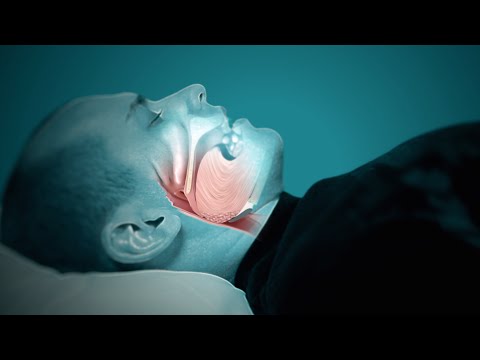
If you have obstructive sleep apnea, your breathing pauses for brief durations while you’re asleep. Generally when you take in, air circulations in through your mouth and nose and down your throat, also called the vocal cords. Air then slows down your windpipe, or trachea, spreading out through a tree-like structure of smaller tubes into your lungs.
Each time you inhale, negative suction pressure pulls the soft tissues in your mouth and throat inward. The muscles in your throat respond by pulling the soft tissues outward again, which keeps your air passage open.
When you sleep, it’s regular for the muscles in your mouth, tongue, and throat to unwind a little, but not sufficient to block your respiratory tract. If you have obstructive sleep apnea, the muscles of your mouth and pharynx might unwind too much. Your tongue drops onto the soft tissue in the roof of your mouth, pressing it against the back of your throat.
The cycle of apnea and waking up might occur lot of times during the night, avoiding restful sleep. Aspects that may add to obstructive sleep apnea consist of obesity, due to the fact that more fat may be present in the walls of the throat, a small or receding jaw with a narrowed air passage, loss of muscle tone in your vocal cords due to aging, and inflamed tonsils.
Common signs of obstructive sleep apnea are snoring, early morning headaches, persistent daytime drowsiness, fatigue, irritability, and impaired concentration. Left without treatment, obstructive sleep apnea may lead to complications, such as high blood pressure, heart problem, irregular heart beats, called arrhythmias, stroke, and diabetes.
Your doctor might suggest lifestyle modifications to deal with obstructive sleep apnea, including dropping weight, sleeping on your side, not cigarette smoking, and avoiding substances that can make you drowsy, such as alcohol and sedatives.
For moderate or moderate obstructive sleep apnea, an oral appliance may keep your air passage open. This gadget works by pulling your jaw forward and moving both your tongue and the roofing of your mouth far from the back of your throat.
The most typical and efficient treatment for obstructive sleep apnea is a constant positive airway pressure or CPAP maker. This device pumps air through a tube into a mask that fits over your nose or both your nose and mouth. The mild atmospheric pressure of the CPAP maker assists keep your air passage open, allowing you to get a deep, restful sleep.
https://xraytechniciancertification.org/sleep-apnea/
No comments:
Post a Comment